The culinary landscape has evolved dramatically in recent years, with diners seeking more intimate. Personalized experiences that go beyond traditional restaurant settings. Private dining restaurants have emerged as the epitome of sophisticated gastronomy. That offers guests exclusive spaces where they can enjoy exceptional cuisine. Also in carefully curated environments that are awesome. These establishments represent a perfect blend of culinary excellence, personalized service & architectural elegance. That caters to the modern diner’s desire for unique and memorable experiences.
In today’s fast -paced world, the appeal of Private Dining stretches only uniqueness. These arena provide migration from the related environment in the traditional restaurant, and create shrines, where guests can immerse themselves in the PAK journey without a whole distraction. This concept has achieved tremendous traction among food enthusiastic, professional professionals and social circles that affect privacy, adaptation and advanced service standards. From intimate data evenings to business ceremonies, Private Dining restaurants provide a versatile location that can match different occasions and preferences.
Modern private dining experience is characterized by detailed attention, the moment guests pass through the doors to the final course of their careful employee food. These establishments often have well -known chefs, who make Bisbole menu, sommeliers who cure alcohol pairing, and train trained service teams to cross expectations. The atmosphere is carefully orchestrated through thoughtful interior design, lighting and sounds that create the right background for meaningful conversation and culinary exploration.
The Evolution of Private Dining Concepts
The change of Private Dining restaurant reflects extensive changes in consumer behavior and hospitality trends. Luxury hotel started once as an exclusive dining room, developed in standalone installations that prefer intimacy and privatization. Modern Private Dining places have used innovative design concepts, including items such as open kitchens, interactive cooking stations and multi -sensitive dining experience that connect guests on many levels.
Modern Private Dining companies have also adapted to changed social mobility and cultural preferences. In many places now offer flexible places that can accommodate different group sizes, from intimate ceremonies of two to large ceremonies from twenty or more. The design philosophy has moved towards creating an environment that feels both sophisticated and comfortable, which is overcome with a very formal environment in favor of the actual relationship and relaxation that encourages relaxation.
Technology integration has become another identity of modern Private Dining restaurants, and many companies include digital menu systems, ambient light control and sound management systems that allow guests to adapt to the environment. Initially, these technical enrichments work with traditional hospitality values, creating experiences that feel elegant both state -by -species and timeless.
Architectural Excellence and Interior Design
The physical environment of Private dining restaurants plays an important role in creating memorable experiences. That sets these places apart from traditional food installations. Architects & interior architects working in this room understand. That each element contributes to the general environment, from the choice of materials and color straps to the arrangement of furniture and light fixtures. The goal is to create empty spaces that make both exclusive and welcoming, sophisticated both feel comfortable.
Many trendy Private Dining restaurants have specific architectural elements such as brick walls, rising ceilings, adapted mill work and strategically laid artwork that reflect the culinary installation philosophy. The use of natural materials such as wood, stone and metal creates heat and authenticity, while carefully selected fabrics and decorations provide layers of comfort and luxury. The Flor-to-seeging window, when available, is often included to provide natural light during day events while maintaining privacy through new screening solutions.
The setup of Private Dining sites must be carefully considered to ensure that guests can move comfortably while maintaining the intimate environment that makes these places special. Many companies have several Private Dining chambers of different sizes, each with their character and functions, which allows the hosts to choose places that fit their specific requirements and the dynamics of the group.
Service Excellence and Guest Experience
The service model employed by a private serving restaurant represents a significant departure from the traditional restaurant service, which emphasizes privatization, expectations and discomfort professionalism that increases the dining experience instead of interrupted. Service teams in these businesses are usually small and more specific, which allows deep relationships between employees and guests and more vigilant service throughout the evening.
Training programs for private serving restaurants often emphasize emotional intelligence, cultural sensitivity and product knowledge that goes beyond basic information about food and drink. Services in these environments must be able to read the room, adjust their prospects based on this opportunity, group mobility and personal preferences, and maintain the highest standards for professionalism and discretion.
Integration of technology into service distribution has been quickly sophisticated in modern Private Dining restaurants, guest preferences databases, communication systems and inventory management equipment in many companies that allow for spontaneous service distribution. However, the most successful places ensure that technology increases instead of changing human connections by using these devices to facilitate more meaningful interactions between employees and guests.
Cultural Influences and International Flavors
Private dining restaurants have become exhibition windows for various culinary traditions and international flavors, with many companies using techniques and presentations to fit modern taste and expectations to draw inspiration from global recipes with many companies. This cultural fusion has created opportunities for guests to detect authentic taste and traditional cooking methods in the sophisticated reference to private food environment for guests.
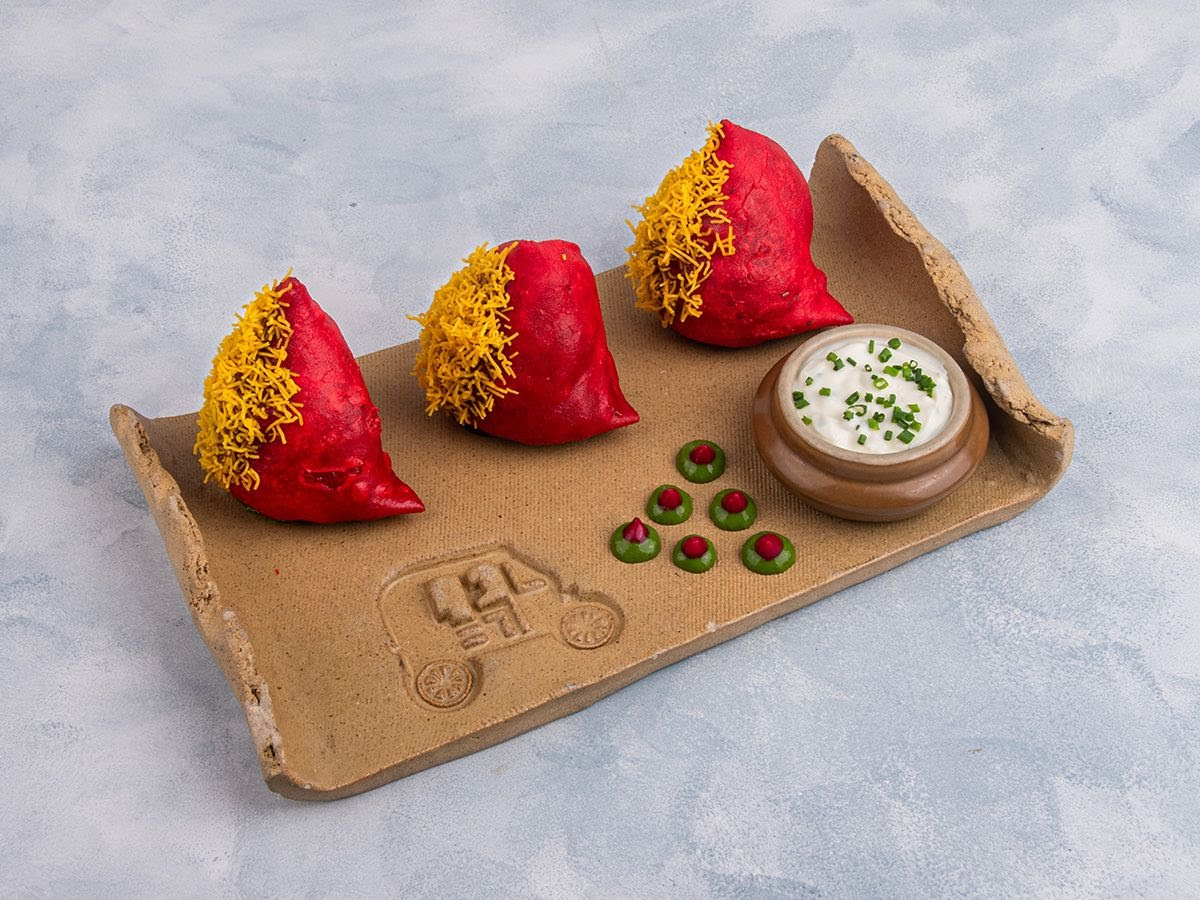
The best Indian restaurants in Abu Dhabi provide an example of this trend, offering private food experiences that celebrate the rich traditions of Indian food by incorporating modern presentation techniques and international influences. These businesses have mastered the art of balancing authenticity with innovation, which has created a menu, which respects traditional kitchen and cooking methods, and appeals to different palates and dietary preferences.
International effects in private food are outside the recipes to include service styles, architectural elements and philosophy of hospitality from around the world. Many companies draw inspiration from Japanese Omotenashi, French service traditions, Italian company food culture and other international hospitality concepts, which will create unique hybrid experiences that reflect our rapidly associated global culture.
Technology Integration and Modern Conveniences
The integration of technology into Private Dining restaurants has changed how these companies work and how guests interact with the environment. From reservation systems that capture wide guest preferences for kitchen performance systems that ensure the right time, technology has become an invisible but necessary component of modern Private Dining experience.
Smart building systems allow private eateries to control light, temperature and acoustic environment with accuracy, making optimal positions for a variety of collections and days with the day. Some companies have invested in advanced audiovisual equipment that can convert Private Dining rooms for specialized ceremonies or private dining rooms for entertainment places for presentation places.
Mobile applications and digital platforms have also revolutionized how guests interact with private eateries, which allow the events during and later for spontaneous communication. These devices allow the hosts to share preferences, dietary restrictions and special requests in advance, while providing channels for real -time communication during events and follow -Up services.
Conclusion
The private serving restaurant scenario continues to develop. When companies continue the boundaries of culinary skills, service innovation and experienced design. These places have replaced food in a broad sensory journey from a simple food that ties guests to emotionally, intellectually and culturally. Emphasis on individualization, quality and expansion has created a new standard for hospitality that extends far beyond traditional restaurant concepts.
The success of a private serving restaurant lies in their ability to create places where wonderful connections can thrive by providing extraordinary culinary experiences that are surprising and happy. As the expectations of the consumer increase and the priorities of food become more sophisticated, these businesses should continue to innovate by maintaining the main values of hospitality, quality and authenticity that make them special.
Looking toward the future, private dining restaurants will likely continue to embrace sustainability, cultural authenticity, and technological innovation while preserving the human elements that make dining experiences truly memorable. The integration of global influences, local ingredients, and modern conveniences will create even more compelling reasons for diners to seek out these exclusive experiences. For those seeking an exemplary private dining experience that embodies all these qualities, Moksh Restaurant represents the pinnacle of modern hospitality, offering guests an unforgettable journey through expertly crafted cuisine, impeccable service, and thoughtfully designed environments that celebrate the art of fine dining in its most refined form.